
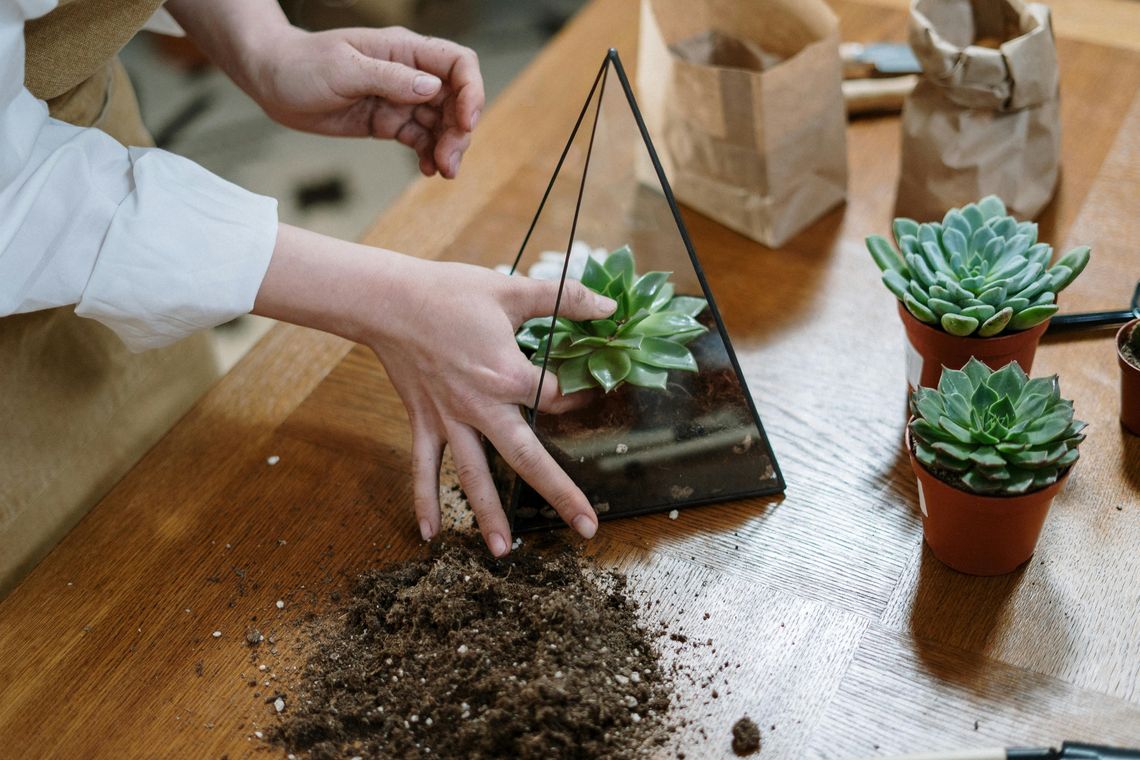
Why drainage matters for succulents
Use this section to make the Best Succulent Care Kits for Healthy Indoor Plants decision easier to compare in real life, not just on paper. Start with the reader's actual constraint, then separate must-have requirements from details that are merely nice to have. A practical choice should survive normal use, maintenance, timing, and budget. If a recommendation only works in an ideal situation, call that out plainly and give the reader a fallback path.
The simplest way to use this section is to write down the must-have criteria first, then compare each option against those criteria before weighing nice-to-have features.
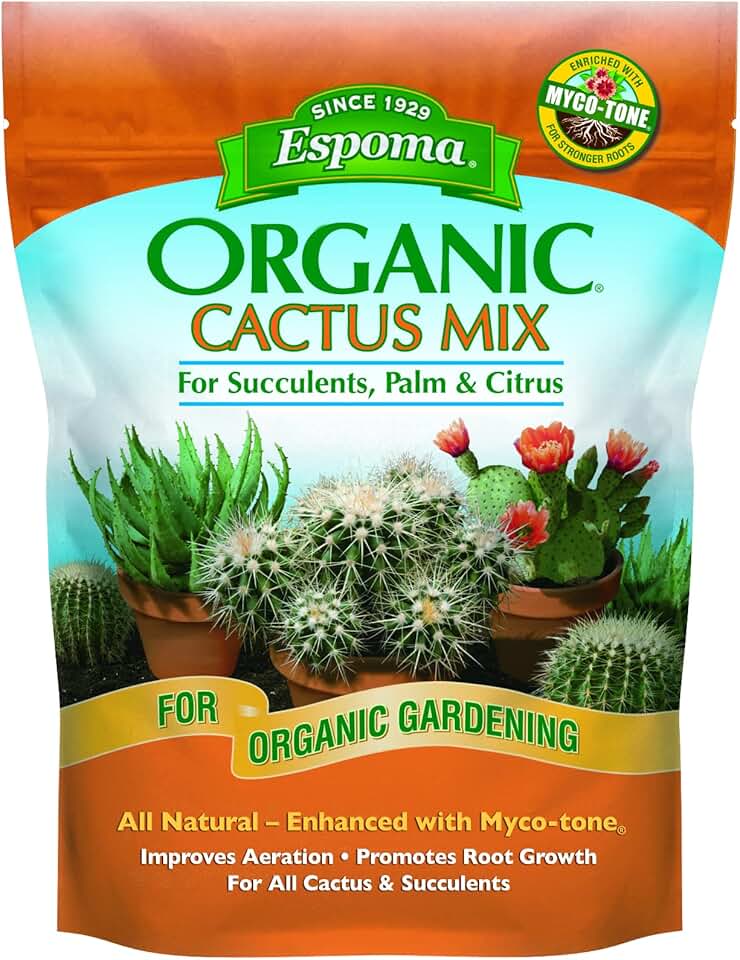
Best succulent soil mixes
Succulents are desert plants, which means their roots expect dry conditions, not a swamp. The most common cause of failure in indoor care is using standard potting soil that holds too much moisture. Without proper drainage, water sits around the roots and causes rot before the plant can even use it. A specialized succulent mix solves this by combining organic matter with gritty inorganic materials like perlite, pumice, or coarse sand. This structure allows water to flow through quickly while still giving the roots something to cling to.
When shopping for a mix, look for ingredients that prioritize aeration. Perlite is a lightweight, white volcanic glass that creates air pockets in the soil. Pumice is slightly heavier and retains a tiny amount of moisture on its surface, which can be helpful in very dry climates. Some mixes also include orchid bark or charcoal to further improve airflow and prevent bacterial buildup. If you are using a ceramic pot with no drainage hole, you may need to add an extra layer of gravel at the bottom, though a high-quality gritty mix is usually sufficient on its own.
Here are specific soil products that deliver the right balance of drainage and lightness for healthy indoor growth.


As an Amazon Associate, we may earn from qualifying purchases.
Top pots for indoor succulents
Use this section to make the Best Succulent Care Kits for Healthy Indoor Plants decision easier to compare in real life, not just on paper. Start with the reader's actual constraint, then separate must-have requirements from details that are merely nice to have. A practical choice should survive normal use, maintenance, timing, and budget. If a recommendation only works in an ideal situation, call that out plainly and give the reader a fallback path.
| Factor | What to check | Why it matters |
|---|---|---|
| Fit | Match the option to the primary use case. | A good deal still fails if it does not fit the job. |
| Condition | Verify age, wear, and service history. | Hidden condition issues erase upfront savings. |
| Cost | Compare purchase price with likely upkeep. | The cheapest option is not always the lowest-cost option. |
Lighting tools for indoor growth
Use this section to make the Best Succulent Care Kits for Healthy Indoor Plants decision easier to compare in real life, not just on paper. Start with the reader's actual constraint, then separate must-have requirements from details that are merely nice to have. A practical choice should survive normal use, maintenance, timing, and budget. If a recommendation only works in an ideal situation, call that out plainly and give the reader a fallback path.
The simplest way to use this section is to write down the must-have criteria first, then compare each option against those criteria before weighing nice-to-have features.
Watering tools and accessories
Overwatering is the fastest way to kill a succulent. Even with perfect soil and light, pouring water from a standard pitcher often leads to runoff, splashing, and uneven saturation. The right tools keep the water where it needs to go: deep into the soil, around the roots, and nowhere else.
A long-nozzle watering can is the most important upgrade for indoor succulent care. The thin spout allows you to reach deep into crowded pots or under low-hanging rosettes without getting your hands wet. It gives you the precision to water only the soil, preventing water from sitting in the crown of the plant where rot starts. Look for a model with a rose (sprinkler head) that can be removed, so you can switch to a direct stream for deep watering.
A soil moisture meter is your second line of defense. These simple probes tell you exactly how dry the soil is before you pick up the watering can. Succulents need to dry out completely between waterings; guessing leads to chronic overwatering. Insert the probe two inches deep—if it reads wet, wait a few more days. This tool removes the guesswork and protects your plants from the most common mistake new growers make.


As an Amazon Associate, we may earn from qualifying purchases.
Succulent care checklist
Use this section to make the Best Succulent Care Kits for Healthy Indoor Plants decision easier to compare in real life, not just on paper. Start with the reader's actual constraint, then separate must-have requirements from details that are merely nice to have. A practical choice should survive normal use, maintenance, timing, and budget. If a recommendation only works in an ideal situation, call that out plainly and give the reader a fallback path.
-
Verify the basicsConfirm the core specs, condition, and fit before comparing extras.
-
Price the downsideLook for the repair, maintenance, or replacement cost that would change the decision.
-
Compare alternativesCheck at least two comparable options before treating one listing as the benchmark.
No comments yet. Be the first to share your thoughts!