

Why drainage matters most
Overwatering is the single biggest reason succulents die indoors. These plants store water in their leaves and stems, evolved for arid environments where rain is rare and soil dries out quickly. When kept in containers that trap moisture, their roots sit in soggy conditions, leading to rot that spreads rapidly and is often irreversible.
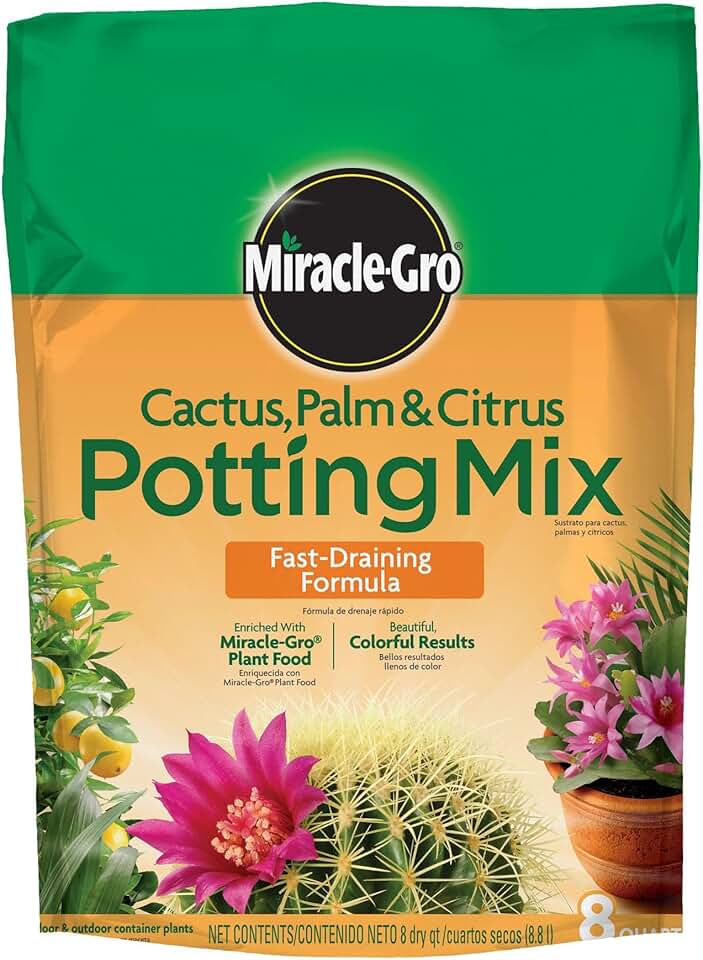
To prevent this, your care kit must include two non-negotiable items: pots with drainage holes and a soil mix formulated for fast drainage. Standard potting soil retains too much moisture for succulents. Instead, look for mixes designed specifically for cacti and succulents, which typically contain sand, pumice, or perlite to ensure water flows through quickly. Without these components, even the most careful watering schedule will likely result in a failed plant.

As an Amazon Associate, we may earn from qualifying purchases.
Best self-watering pots for beginners
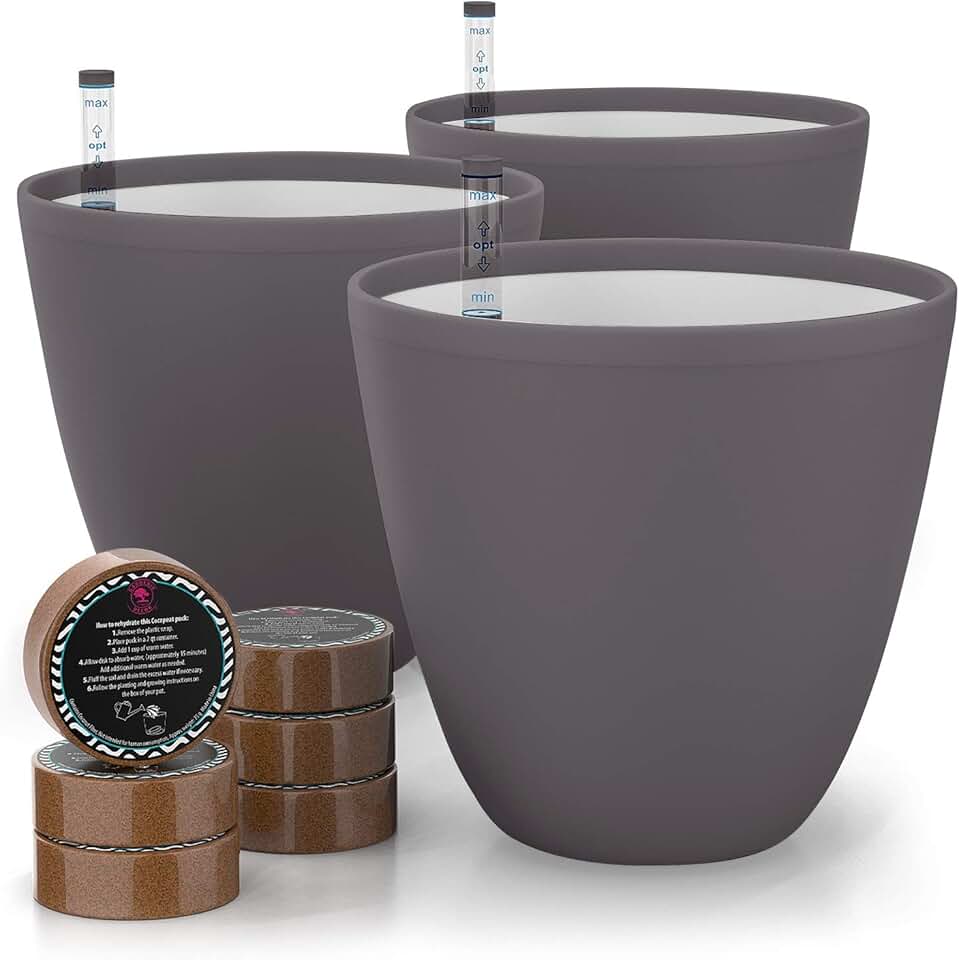
Self-watering pots use a reservoir to feed plants gradually, which helps mitigate the #1 cause of succulent death: overwatering. For novice growers, this mechanism acts as a buffer against forgetting to water or watering too aggressively. However, the pot alone is not a cure-all. Success still depends on using a well-draining soil mix and ensuring the plant has adequate light.
These pots work best when paired with a cactus and succulent mix. The soil prevents the reservoir from becoming a stagnant swamp, while the reservoir provides a steady, low-level moisture supply that mimics the sparse but consistent hydration succulents need in the wild.



As an Amazon Associate, we may earn from qualifying purchases.
Top-rated succulent soil mixes
Succulents are desert survivors, but they rarely survive the average houseplant pot. Standard potting soil holds too much moisture, turning delicate roots into mush within days of watering. To keep them alive, you need a medium that mimics their natural rocky habitat. The right soil mix allows water to pass through instantly, letting air reach the roots while preventing rot.
Choosing the right blend depends on your local humidity and watering habits. Some mixes lean heavily on pumice for aeration, while others use coarse sand or perlite. Below is a comparison of popular soil options to help you find the best fit for your indoor garden.
| Product | Drainage Speed | Key Ingredients | Best Use Case |
|---|---|---|---|
| Hoffman Organic Succulent Mix | Fast | Coarse sand, pumice, peat moss | General indoor use |
| Espoma Organic Cactus Soil | Medium-Fast | Sphagnum peat, sand, perlite | Beginners |
| Bonide All Purpose Potting Soil | Slow | Peat moss, vermiculite | Mixing with extra grit |
| Sun Gro Fast Drain Cactus Mix | Very Fast | Coarse sand, perlite, peat | High humidity areas |
When shopping, look for bags labeled "cactus" or "succulent" and check the ingredient list. Avoid products where peat moss or coconut coir is the primary component without significant grit. If you live in a humid climate, you may need to mix your own blend by adding extra perlite or pumice to a standard cactus mix to ensure proper airflow.


As an Amazon Associate, we may earn from qualifying purchases.
Essential tools for repotting
Repotting a succulent is less about heavy lifting and more about precision. Unlike tropical houseplants, succulents have shallow, brittle root systems that snap under pressure. Using the wrong tools can bruise tissue or introduce rot-causing bacteria. You only need a small set of focused items to move a plant safely from one container to another.
Start with a narrow metal trowel. A wide shovel is overkill and often too clumsy for small pots. You need something that fits into tight corners without scraping the roots. Look for a trowel with a pointed tip to help create a small well in the new soil for the root ball.
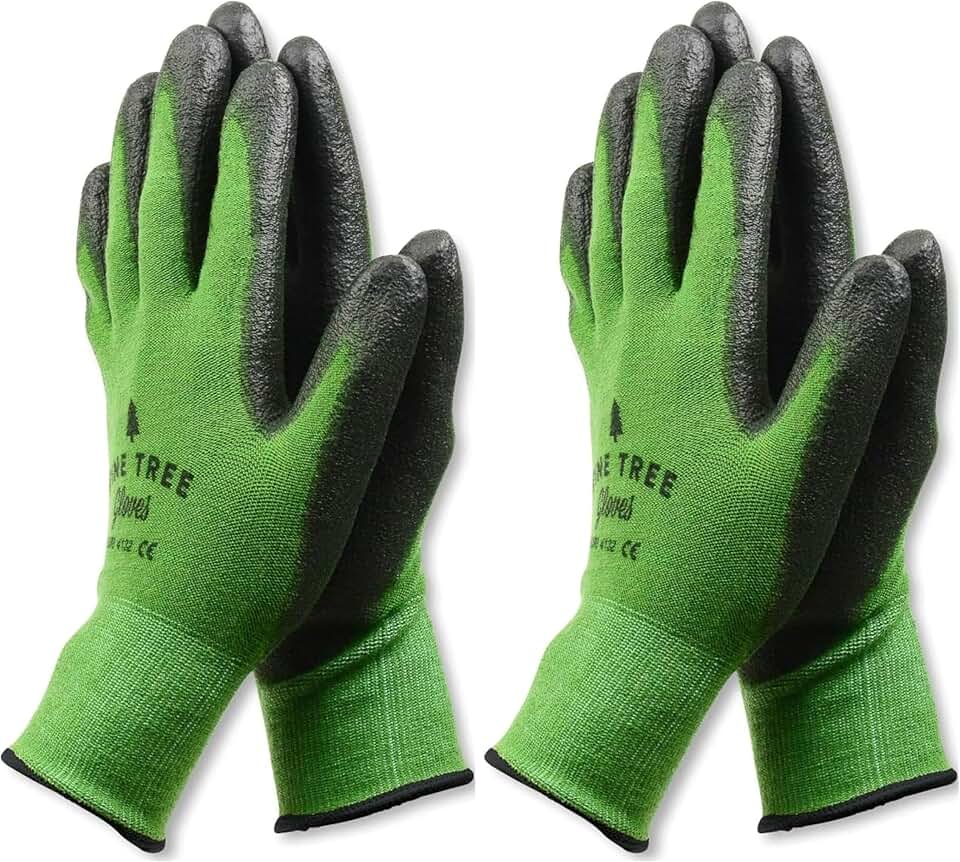
Gloves are non-negotiable. Many succulents have fine spines or sharp tips that pierce skin easily. Thin gardening gloves offer dexterity while protecting your hands. If you handle thorny varieties like certain Echinocactus or Ferocactus, thicker leather is better. The goal is to hold the plant firmly by the base, not the leaves, without getting pricked.
A chopstick or bamboo skewer is the most underrated tool in this kit. Use it to gently tease out root balls that have become pot-bound. It also helps pack soil around the roots without compacting it too tightly. Loose soil allows water to drain quickly, which is the primary factor in keeping succulents alive.


As an Amazon Associate, we may earn from qualifying purchases.
How to repot your succulents
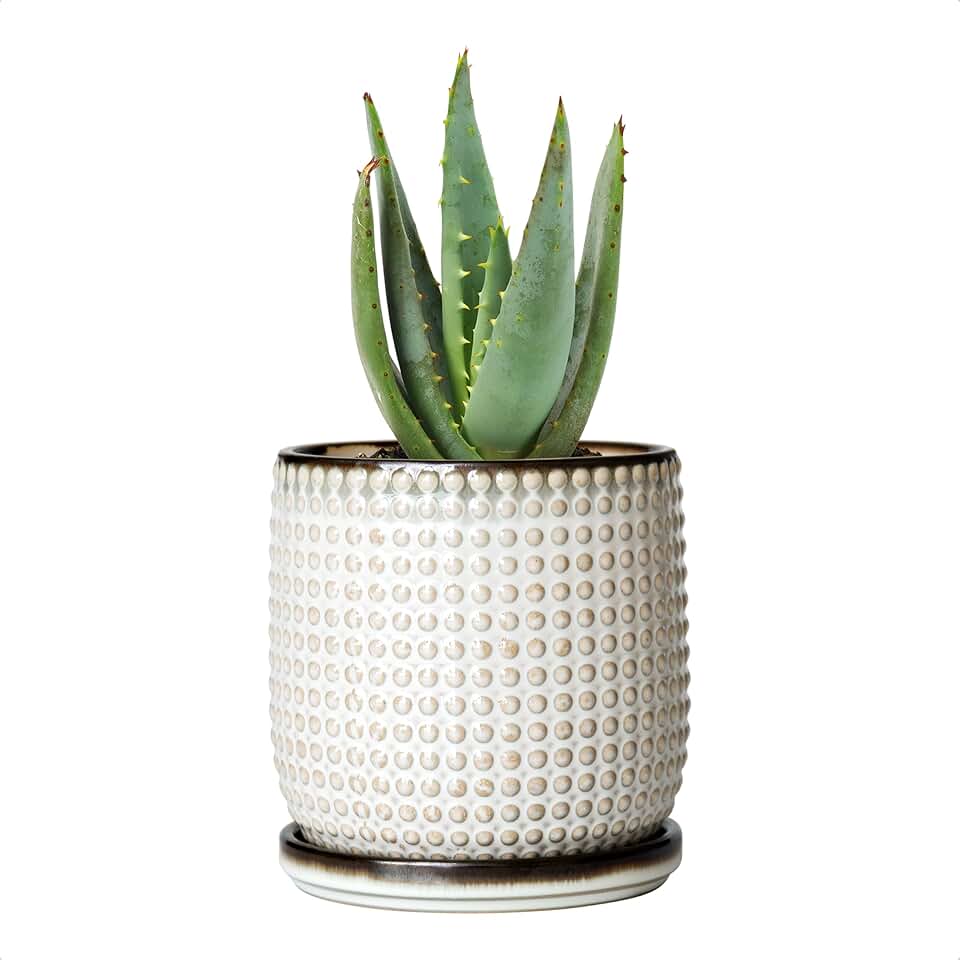
Repotting gives your plants fresh soil and room to grow, but the process requires care to avoid root damage. The success of this task hinges on two factors: drainage and soil quality. Using a pot with a bottom hole and a mix that drains quickly prevents the waterlogged conditions that cause rot.
Place a layer of coarse gravel or broken pottery shards at the bottom of your new container. This layer ensures that excess water flows away from the roots immediately, preventing the soil from staying saturated.
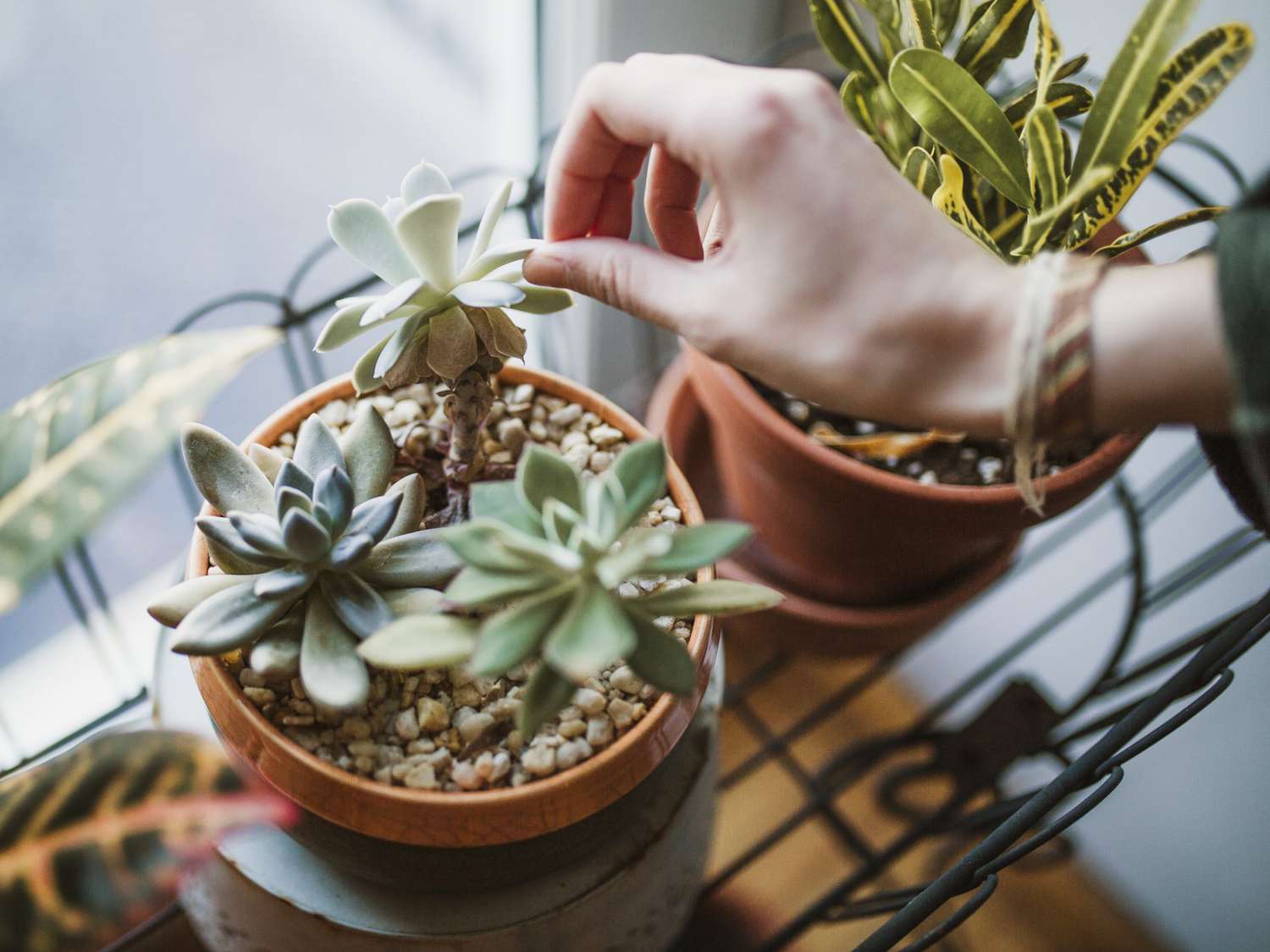
Fill the pot partially with your succulent mix. A cactus-specific blend works best because it contains sand, pumice, or perlite. These ingredients create air pockets that allow roots to breathe and dry out quickly after watering.
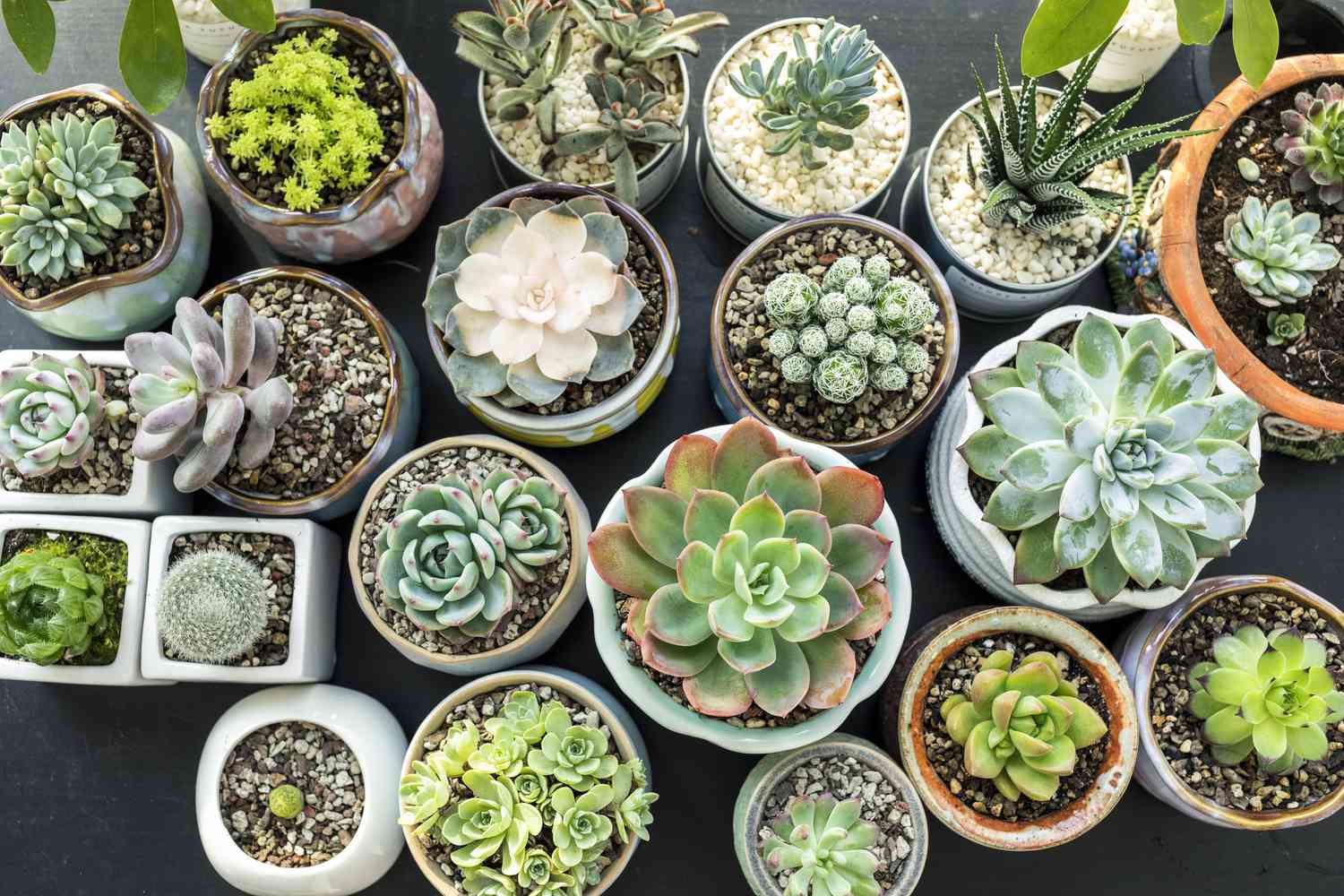
Gently squeeze the sides of the old pot and tip it sideways. If the plant is stuck, run a knife around the edge to loosen the roots. Support the base of the plant with your fingers as you slide it out to minimize stress.
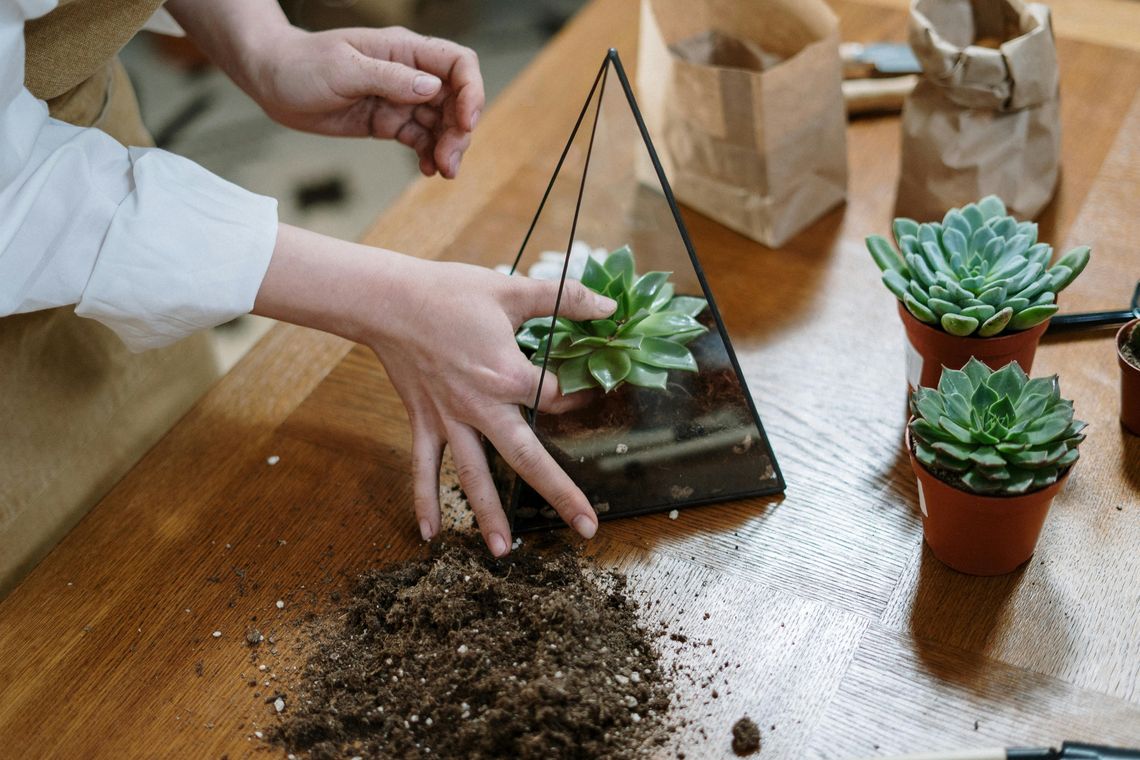
Center the plant in the new pot and add soil around the sides. Tap the pot gently to settle the mix, then add more soil until the plant sits at the same depth it was previously. Avoid packing the soil too tightly.
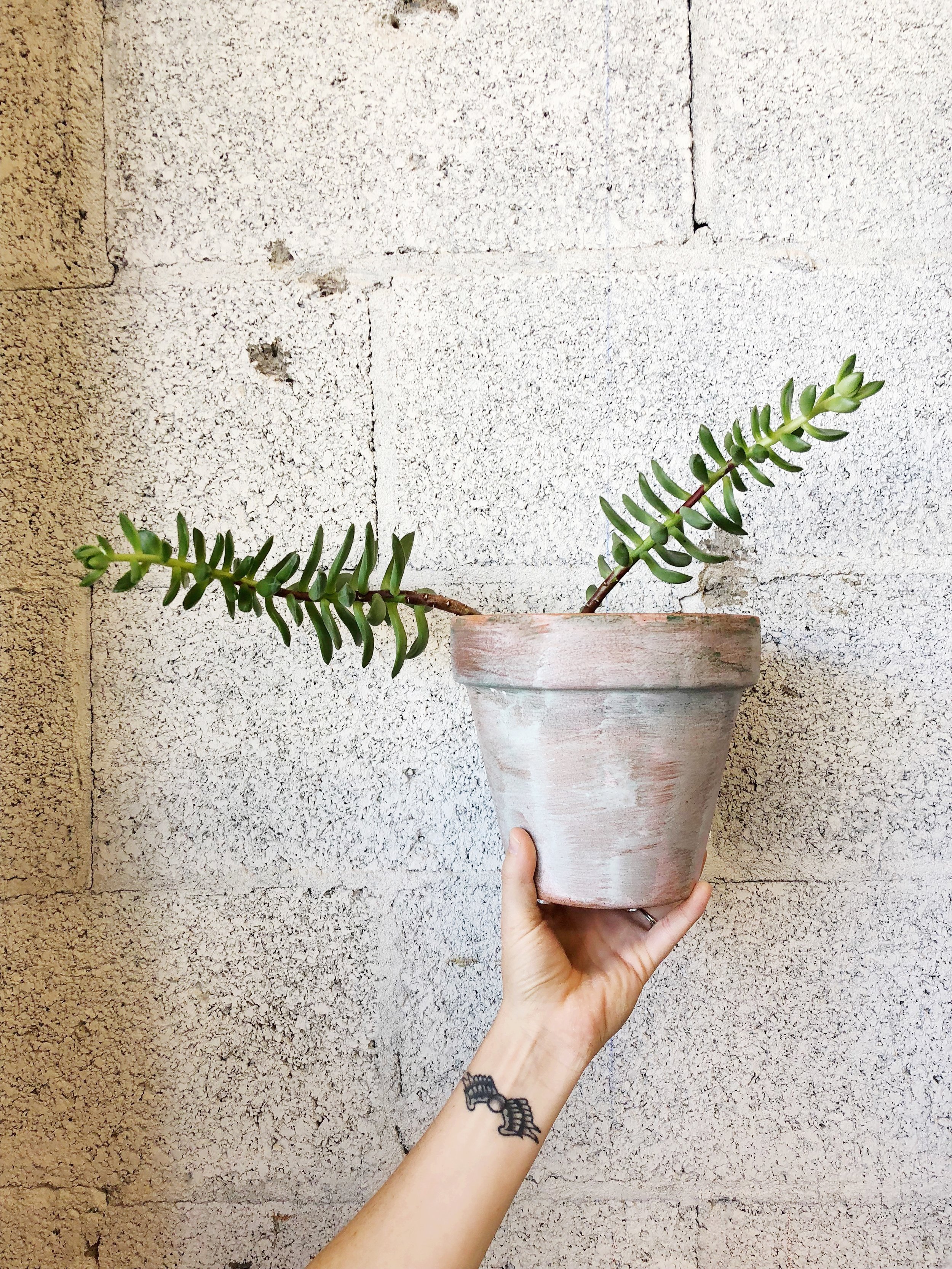
Wait about a week before watering. This pause allows any damaged roots to heal and callus over, significantly reducing the risk of rot. Keep the plant in bright, indirect light during this recovery period.
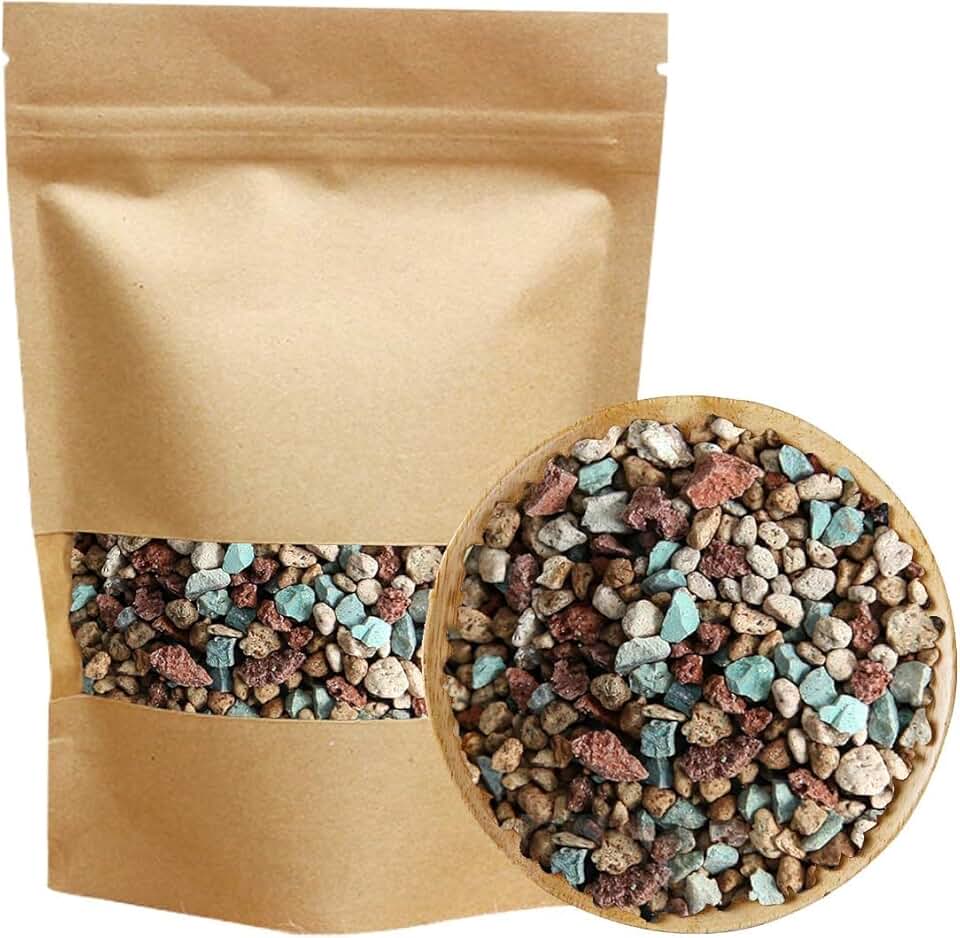

As an Amazon Associate, we may earn from qualifying purchases.
Common succulent care: what to check next
Getting indoor succulents to thrive comes down to mimicking their natural desert environment. The most common mistake is treating them like houseplants that need regular hydration. Instead, focus on drainage and soil quality to prevent root rot, which is the leading cause of failure for new growers.


As an Amazon Associate, we may earn from qualifying purchases.
No comments yet. Be the first to share your thoughts!