
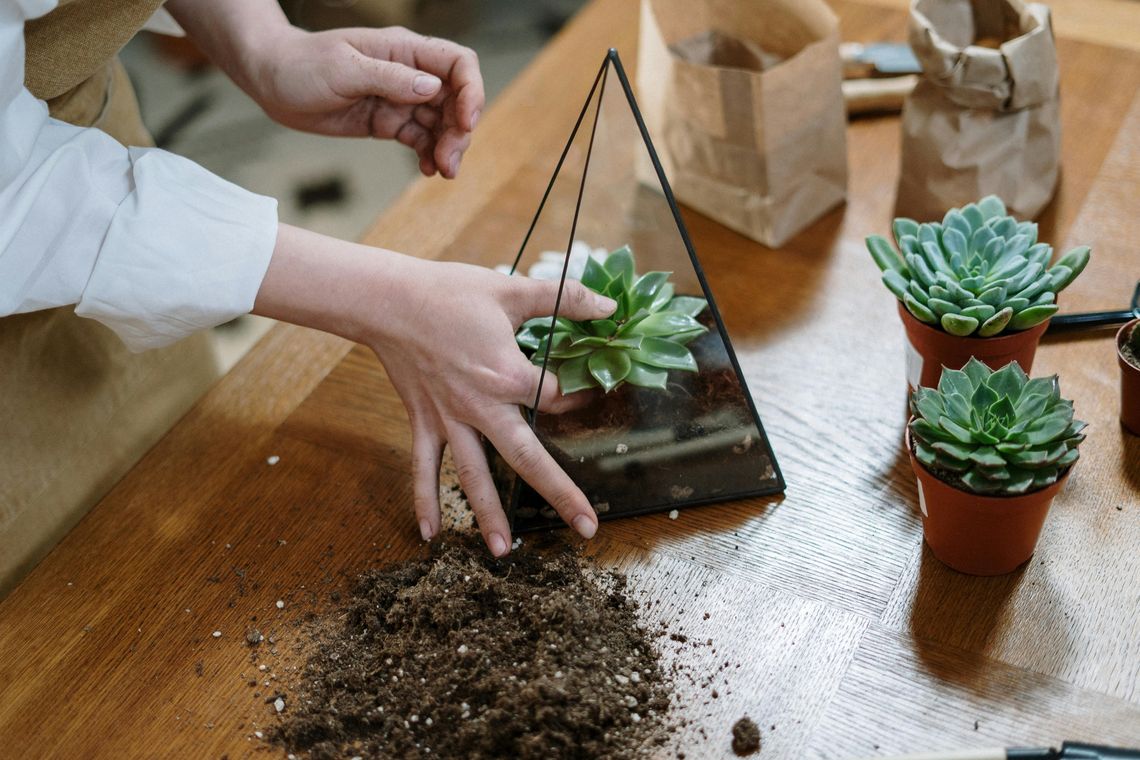

How to pick the right succulent
Succulents store water in their leaves, making them drought-tolerant but prone to root rot if overwatered.
The first step in choosing the right succulent is matching the plant to your home’s light conditions. Most succulents need bright, indirect light to thrive. If you have a south-facing window, you can choose from a wider variety of species. For north-facing windows or low-light rooms, look for hardy varieties like snake plants or zebra plants, which tolerate lower light levels better than most.
Your skill level also plays a role. Beginners should start with low-maintenance plants that forgive occasional neglect. Echeverias and jade plants are excellent choices for new growers because they are resilient and easy to propagate. If you tend to overwater, choose succulents with thick, fleshy leaves that hold more moisture, allowing them to survive longer between waterings.
When selecting a succulent, check the soil and leaves for signs of health. The soil should be dry and well-draining, and the leaves should be firm and plump, not shriveled or mushy. Avoid plants with yellowing leaves or visible pests, as these issues can spread to other plants in your collection.
Choose pots that drain well
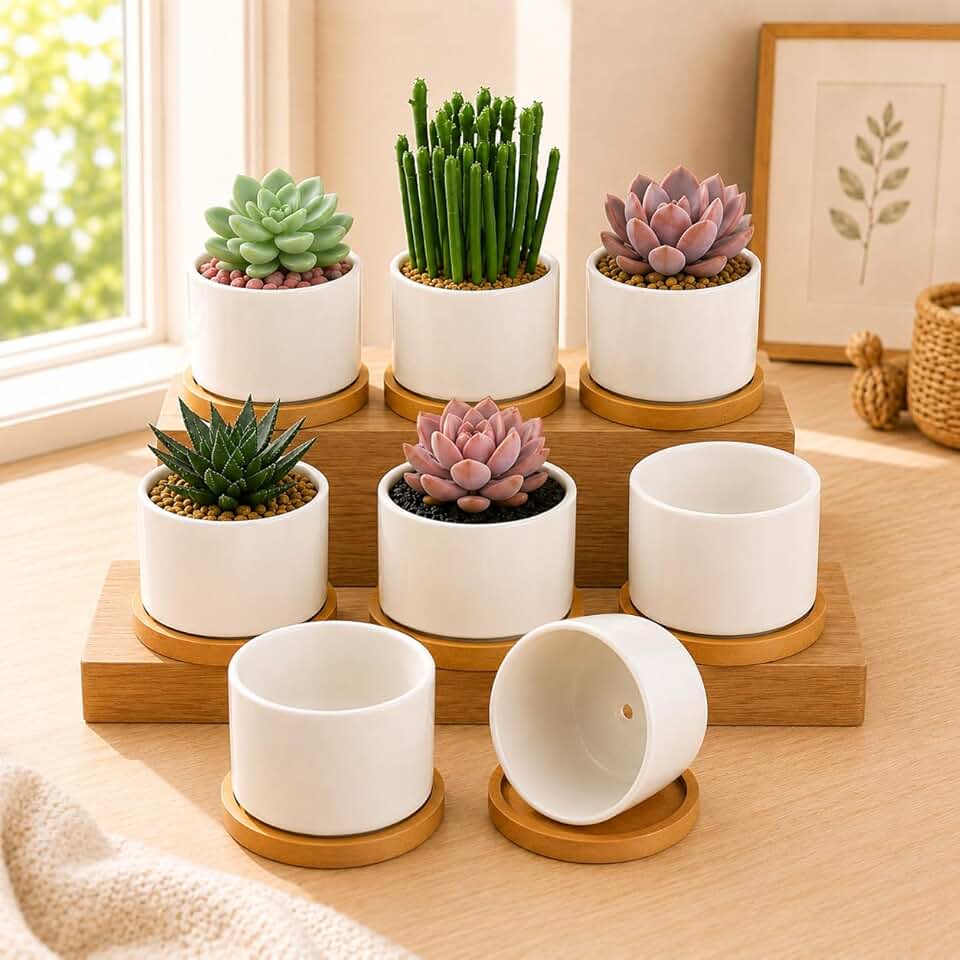
Succulent care starts with the container. These plants are highly susceptible to root rot if the soil stays soggy. A pot with adequate drainage is not just a preference; it is a necessity for keeping your succulents alive. Without holes at the bottom, excess water has nowhere to go, turning your care routine into a slow decline for the plant.
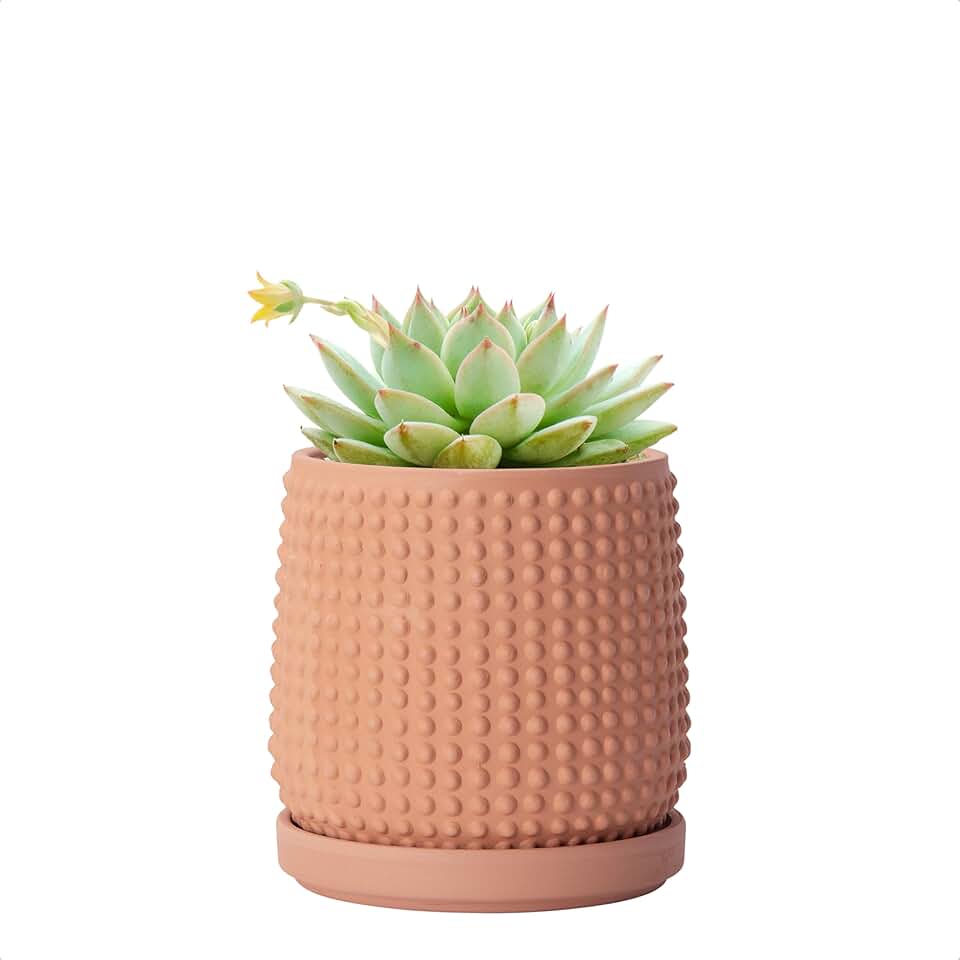
When selecting a pot, look for materials that allow the soil to breathe. Terracotta and unglazed ceramic are excellent choices because their porous nature helps evaporate moisture from the sides, preventing the soil from staying wet too long. Glazed ceramic or plastic pots can work, but they require more careful watering habits since they retain moisture longer. The style of the pot should complement your home decor, but never at the expense of drainage.
Here are some top-rated options that balance aesthetic appeal with the functional drainage your succulents need.


As an Amazon Associate, we may earn from qualifying purchases.
Choose gritty soil mixes
Healthy succulent care starts with the dirt. Standard potting mixes hold too much water, turning roots into mush within days. You need a gritty, fast-draining blend that mimics the arid conditions these plants evolved in. When water flows through instantly, the roots stay oxygenated and rot is prevented.
Look for mixes heavy in perlite, pumice, or coarse sand. These ingredients create air pockets that keep the root zone dry between waterings. Avoid bags labeled "all-purpose" or "moisture-retaining," as they are designed for leafy greens, not drought-tolerant succulents.
Compare top soil blends
The table below compares popular commercial mixes based on drainage speed and ingredient composition. Use this to pick the right base for your specific indoor environment.
Recommended products
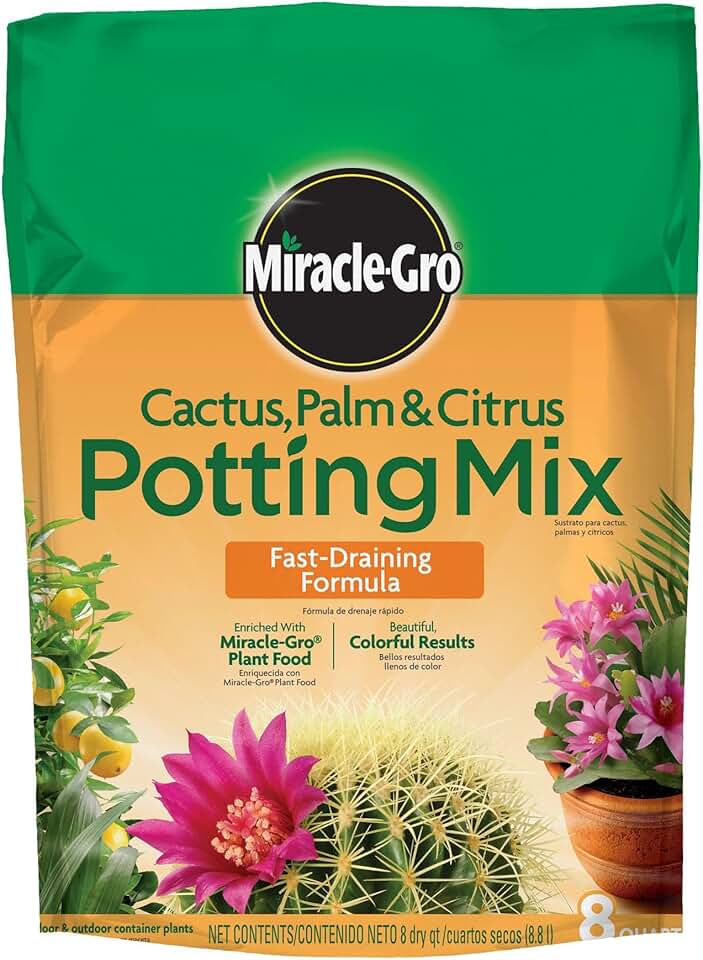
If you want a ready-to-use solution, these commercial mixes are widely available and tested for drainage performance.


As an Amazon Associate, we may earn from qualifying purchases.
Start with one of these blends. If your specific variety seems too dry, you can add a small amount of peat moss. If it stays wet too long, mix in extra perlite. The goal is a medium that dries out completely within a week of watering.
Essential tools for propagation
Starting a new succulent plant from a leaf or cutting feels like magic, but it actually relies on a few simple supplies. You don’t need a greenhouse or expensive gadgets. The right setup just keeps the cutting stable and dry until it forms roots.
Here is the minimal toolkit you need to get started with succulent care.
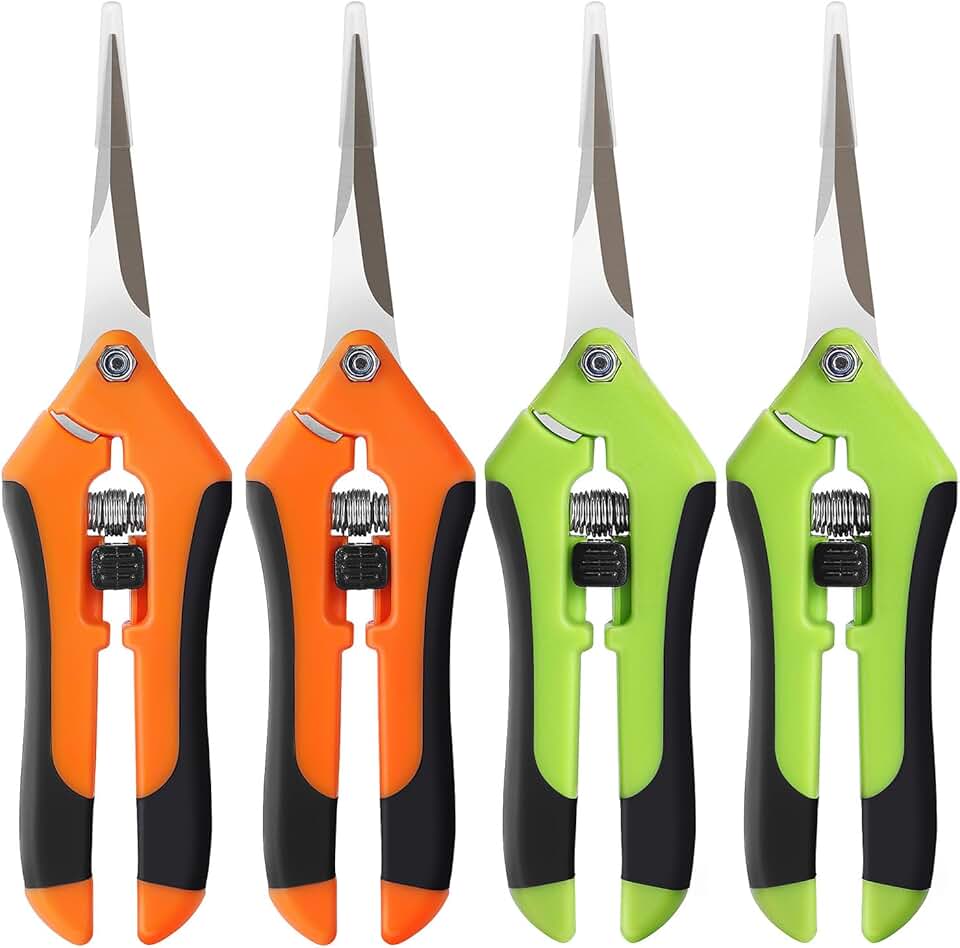
Clean Scissors or Pruners
Sharp, clean tools prevent infection. When taking a leaf or stem cutting, you want a clean slice that heals quickly. Dull blades crush the tissue, inviting rot before the plant can callus over. Wipe your scissors with rubbing alcohol before each use to keep the process sterile.
Well-Draining Soil Mix
Succulents hate sitting in wet dirt. A standard potting mix holds too much moisture for delicate new roots. Look for a blend labeled for cacti and succulents, or mix your own with extra perlite or pumice. This airy structure allows water to flow through immediately, mimicking the dry, rocky environments these plants evolved in.
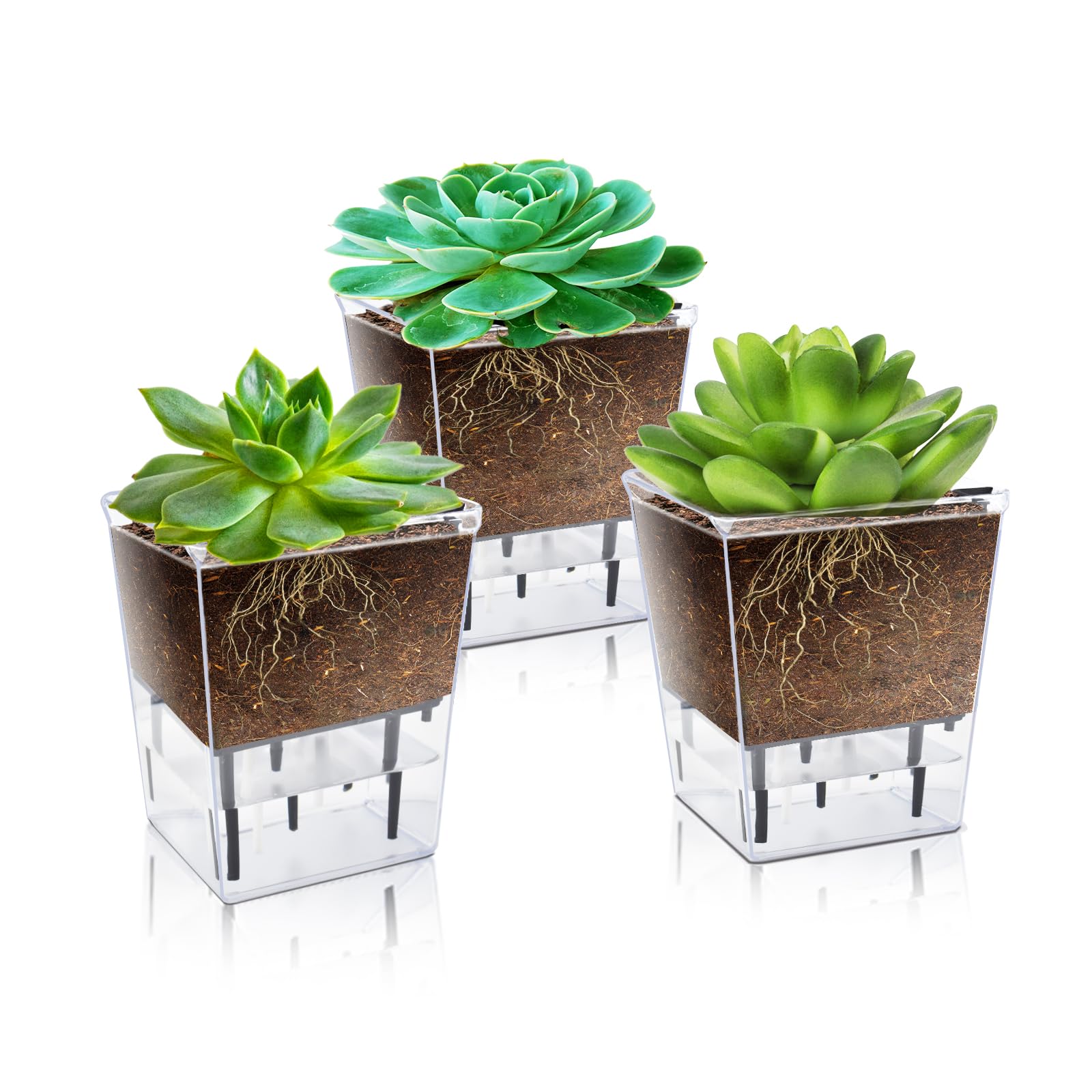
Small Pots with Drainage Holes
Size matters when propagating. Large pots hold too much soil, which stays wet longer and risks drowning young roots. Start with small, shallow containers—just big enough to hold the cutting. Ensure every pot has drainage holes at the bottom. If water pools at the base, the roots will suffocate.
Bright, Indirect Light
Light is the fuel for root growth, but direct sun can bake a vulnerable cutting. Place your propagation station near an east-facing window where it gets gentle morning sun. If the leaves start turning pale or stretching toward the light, they aren’t getting enough. If they develop brown spots, they are getting too much.


As an Amazon Associate, we may earn from qualifying purchases.
Watering and light basics
Succulent care starts with two non-negotiable rules: give them plenty of light and water them sparingly. Most indoor succulents thrive in bright, indirect light. A south-facing window is ideal, but avoid letting the leaves touch cold glass in winter. If your plant looks stretched or pale, it’s reaching for more sun.
Watering is trickier. Don’t water on a schedule or just because the topsoil feels dry. Because these plants hold moisture in their foliage, they need the soil to dry out completely between drinks. Lift the pot; if it feels light, it’s time to water. Soak it thoroughly until water runs out the drainage holes, then empty the saucer.
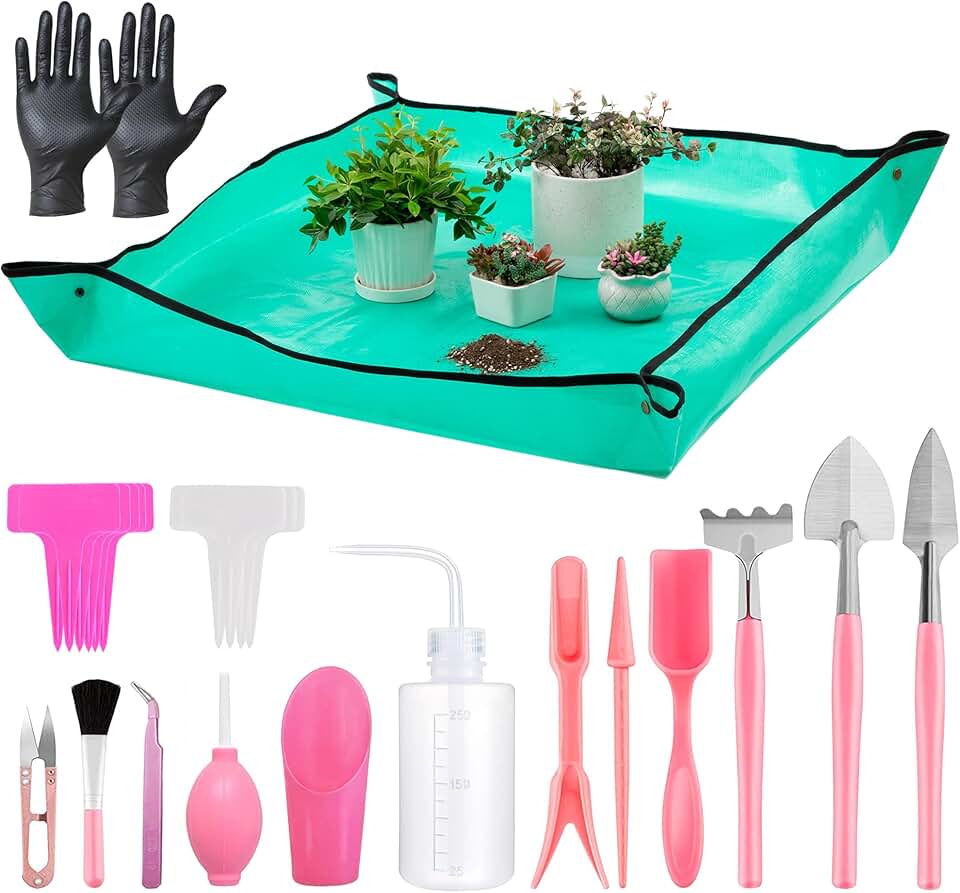
Best kits for beginners


As an Amazon Associate, we may earn from qualifying purchases.
Common succulent care: what to check next
Succulents are forgiving, but they have specific needs that differ from typical houseplants. Understanding these basics prevents the most common mistakes beginners make.
Why are my succulents getting mushy?
Mushy, translucent leaves usually mean your plant is overwatered or suffering from root rot. Since succulents hold moisture in their foliage, they thrive when the soil dries out completely between waterings. If you see blisters or soft spots, stop watering immediately and check the roots for decay. Ensure your pot has drainage holes to let excess moisture escape.
Do succulents need direct sunlight?
Most succulents prefer bright, indirect light or filtered sunlight. Direct, harsh afternoon sun can scorch their leaves, turning them brown or crispy. A south or west-facing window is ideal, but if the light is intense, pull the plant back a few feet. They generally do best in temperate conditions, ideally below 90 degrees Fahrenheit.
How often should I water indoor succulents?
A good rule of thumb is to water only when the soil is completely dry. Stick your finger an inch into the soil; if it feels dry, it’s time to water. Water just enough to moisten the soil, avoiding the leaves to prevent rot. In winter, when growth slows, reduce watering frequency significantly.
Which succulents are best for beginners?
Start with resilient varieties like Snake Plants, Aloe Vera, or Haworthia. These types tolerate lower light and irregular watering better than delicate species like Echeveria. Choosing hardy plants builds your confidence and helps you learn their rhythms without the pressure of constant maintenance.
As an Amazon Associate, we may earn from qualifying purchases.
No comments yet. Be the first to share your thoughts!