
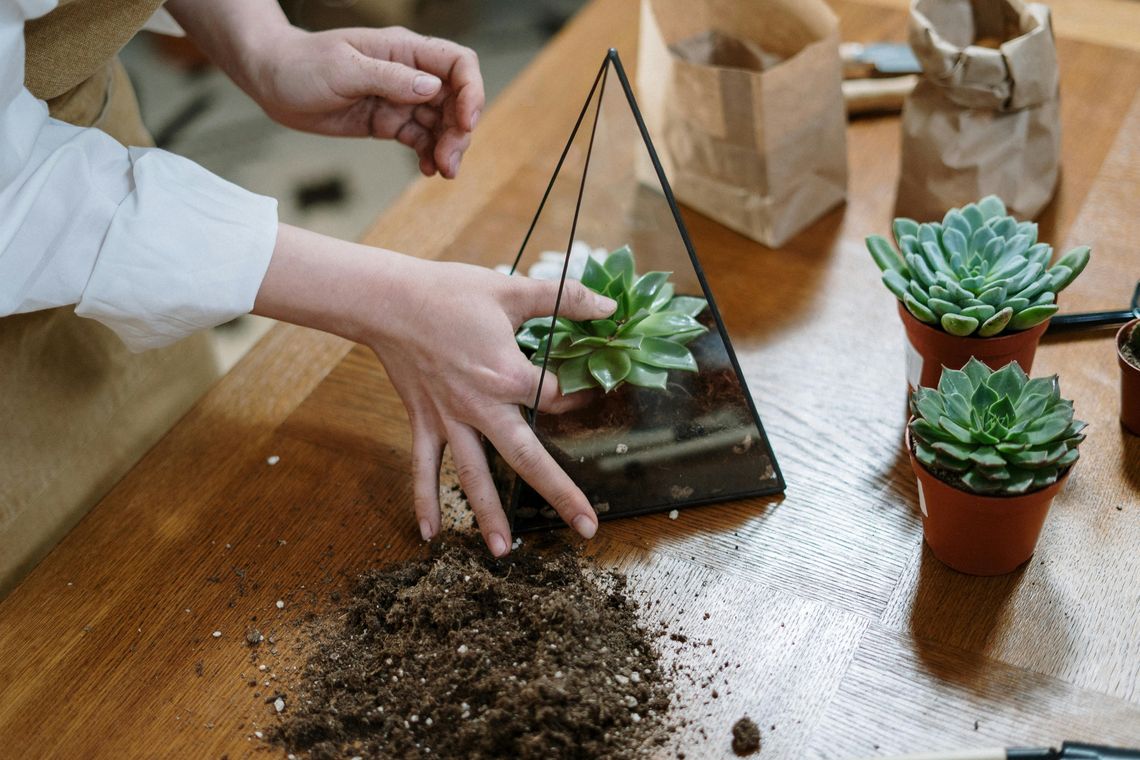

Start with the right soil mix
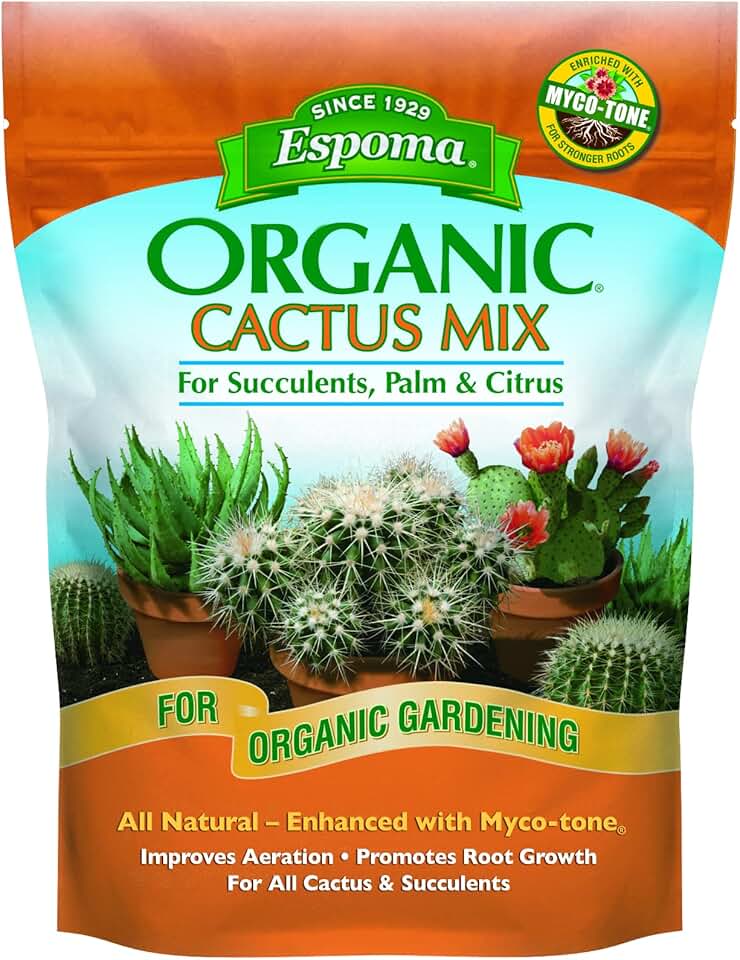
Standard potting soil is the fastest way to kill a succulent. It’s designed to hold water for thirsty tropical plants, but succulents store moisture in their leaves and stems. When you plant them in dense, moisture-retentive dirt, the roots suffocate and rot within days. You need a gritty, fast-draining mix that mimics the arid conditions where these plants evolved.
Think of your soil mix as a drainage system. At least half the volume should be inorganic material like pumice, perlite, or coarse sand. These particles create air pockets that allow water to flow through quickly and reach the roots without sitting around. The other half can be a small amount of organic matter, like peat moss or coco coir, just enough to anchor the roots and hold a tiny bit of nutrients.
This gritty foundation supports the "soak and dry" watering method, the gold standard for indoor succulent care. You water thoroughly until it runs out the bottom, then wait until the soil is completely dry before watering again. If the soil stays wet, the roots can’t breathe, and rot sets in. By choosing a well-draining mix, you make it easier to follow this cycle and keep your plants healthy.


As an Amazon Associate, we may earn from qualifying purchases.
Why drainage holes matter for indoor succulents
Succulents store water in their leaves, stems, and roots, which makes them resilient but also vulnerable to sitting in moisture. Without a drainage hole, excess water from your watering routine has nowhere to go. It pools at the bottom of the pot, turning the soil into a swamp that suffocates the roots. This stagnant environment is the fastest route to root rot, a fungal infection that turns healthy tissue into mush and kills the plant from the inside out.
The goal of indoor succulent care is to mimic the dry, arid conditions these plants evolved in. The "soak and dry" method supports this by thoroughly wetting the soil and then allowing it to dry out completely before watering again. This cycle requires a container that facilitates rapid evaporation and drainage. A pot without a hole traps humidity right where the roots need to breathe, effectively undoing the benefits of your careful watering schedule.
Terracotta vs. ceramic for drainage
Not all pots with holes are created equal. The material of the container plays a significant role in how quickly the soil dries out. Terracotta is fired clay that is naturally porous. This porosity allows air to pass through the walls of the pot, helping the soil dry from the sides as well as the bottom. This makes terracotta an ideal choice for beginners or those who tend to overwater, as it provides a buffer against soggy conditions.
Ceramic pots, while beautiful and often glazed, are typically non-porous. They lock in moisture longer than terracotta, which can be a benefit in very dry, hot climates but a risk in humid homes. If you prefer the look of ceramic, ensure it has a drainage hole and be more diligent about checking the soil moisture before watering. You might also consider using a terracotta saucer inside a decorative ceramic cache pot to combine aesthetics with proper drainage.
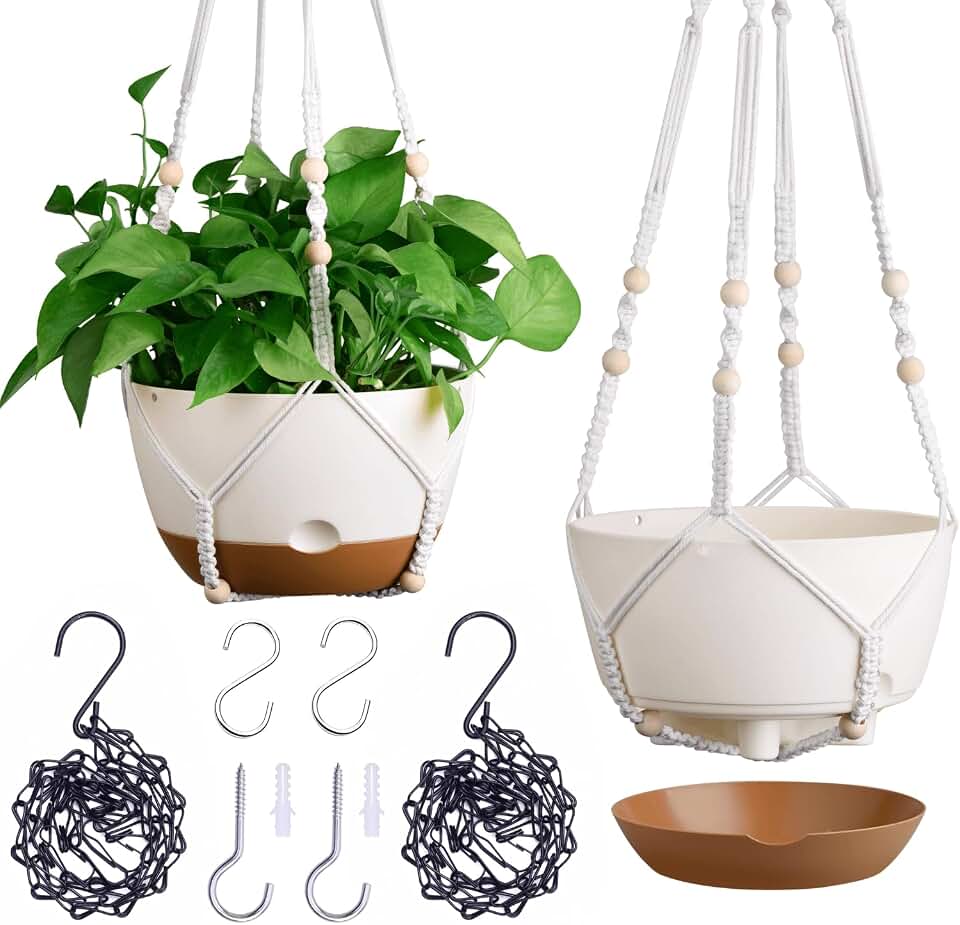
Best drainage pots for succulents
Choosing the right container is about balancing function with your indoor decor. Below are popular options that prioritize drainage and appropriate drying speeds for healthy succulent growth.


As an Amazon Associate, we may earn from qualifying purchases.
Water only when soil is dry
Most indoor succulent care mistakes stem from treating your plants like houseplants that need a weekly drink. Succulents store water in their leaves and stems, making them drought-tolerant survivors rather than thirsty guests. Following a rigid calendar—like every Monday or every Sunday—is a fast track to root rot. Instead, let the soil condition dictate your watering schedule.
The "soak and dry" method is the gold standard for indoor succulents. This approach mimics the natural rainfall patterns in arid environments. You give the plant a thorough soaking, then wait until the soil is completely bone-dry before repeating the process. This cycle encourages deep root growth and prevents the soil from staying damp long enough to foster fungal issues or rot.
To execute this method, start by checking the moisture level. Insert your finger about one inch into the soil, or use a wooden chopstick. If it comes out clean and dry, it’s time to water. If it has any soil clinging to it, wait a few more days. When you do water, water thoroughly until water runs freely out of the drainage holes. Empty the saucer after ten minutes to ensure the roots aren't sitting in standing water.
Place near bright indirect light
Succulents thrive in bright, indirect light, making a south-facing window the ideal location for most indoor varieties. While they crave sun, the intensity of summer rays can be too harsh when filtered through glass. Aim to position your plants so they receive plenty of illumination without enduring the direct, scorching heat that can bake the leaves.
Be mindful of the window pane itself. In winter, the cold glass can chill the leaves of plants placed directly against it, leading to frost damage or rot. Pull your pots back a few inches from the window to create a buffer zone. This simple adjustment protects your succulents from temperature shocks while still allowing them to soak up the light they need to stay plump and vibrant.
If a south-facing window isn't available, east-facing windows offer a gentler alternative. They provide morning sun that is less intense than the afternoon rays, reducing the risk of leaf scorch. Regardless of the direction, ensure the light is bright but diffused. This balance supports healthy growth without stressing the plant, keeping your indoor succulents happy and compact.
Best easy succulents for indoors
Indoor succulents thrive when you match the plant to your home’s light levels and stick to a strict watering schedule. The "soak and dry" method is non-negotiable: water thoroughly until it runs out the drainage holes, then wait until the soil is completely bone-dry before watering again. This cycle prevents root rot, which is the leading cause of indoor succulent death.
Echeverias are the quintessential indoor succulent. Their rosette structure mimics a blooming flower, and they stay compact enough for windowsills. They need the brightest spot you can offer, ideally a south-facing window. Without enough light, they stretch and lose their tight shape.
Snake plants are nearly indestructible. They tolerate low light and irregular watering better than almost any other variety. Their upright, architectural leaves add height to a room without demanding much attention. Water them only when the soil is dry several inches down.
Jade plants are classic houseplants that grow into small, tree-like structures over time. They store water in their thick leaves, making them forgiving if you forget to water for a week or two. They prefer bright, indirect light and well-draining soil to keep their stems sturdy.
Haworthias are perfect for north-facing rooms or offices with fluorescent lighting. Unlike most succulents, they do not need direct sun and can even scorch in it. Their translucent leaf tips glow in the shade, making them a low-light champion.
String of pearls trails beautifully from hanging baskets or high shelves. This trailing variety needs bright, indirect light to keep its "pearls" tight and green. If the stems become leggy, the plant is not getting enough light.


As an Amazon Associate, we may earn from qualifying purchases.
No comments yet. Be the first to share your thoughts!