
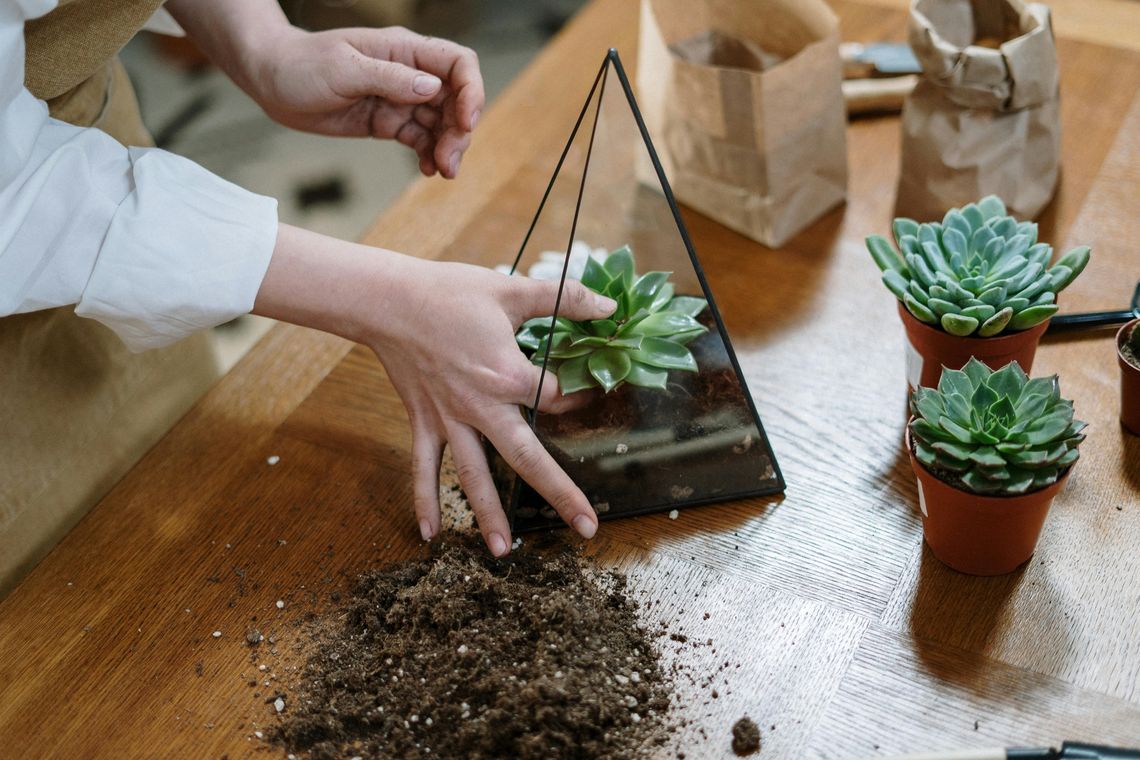

Why these succulents thrive indoors
Selecting the right indoor succulents starts with understanding how these plants survive in low-maintenance environments. Unlike tropical houseplants, succulents are built for arid conditions, storing water in their leaves and stems to endure long periods without moisture. This biological trait makes them ideal for beginners who may not have a consistent watering schedule, but it also means they require specific light conditions to prevent stretching or rot.
The primary factor for success is light. Most indoor succulents need bright, indirect light to maintain their color and compact shape. South-facing windows are often the best spots, providing the intensity these plants crave. However, direct afternoon sun through a window can scorch delicate leaves, so monitoring the light levels is essential.
Water storage capacity also dictates care needs. Plants with thicker leaves, such as Echeveria or Haworthia, can go longer between waterings than those with thinner foliage like Sedum. When choosing indoor succulents, consider the size of your space and your ability to provide drainage. Well-draining soil and pots with holes are non-negotiable for preventing root rot, the most common cause of failure for new growers.
By focusing on varieties that naturally adapt to indoor light levels and moderate humidity, you can build a collection that stays vibrant year-round. The following recommendations highlight specific cultivars that meet these criteria, ensuring your new plants have the best start in your home.
Top 5 easy-care succulents for 2026
Use this section to make the Best Indoor Succulents for decision easier to compare in real life, not just on paper. Start with the reader's actual constraint, then separate must-have requirements from details that are merely nice to have. A practical choice should survive normal use, maintenance, timing, and budget. If a recommendation only works in an ideal situation, call that out plainly and give the reader a fallback path.
The simplest way to use this section is to write down the must-have criteria first, then compare each option against those criteria before weighing nice-to-have features.
Choosing the right soil and pots
Use this section to make the Best Indoor Succulents for decision easier to compare in real life, not just on paper. Start with the reader's actual constraint, then separate must-have requirements from details that are merely nice to have. A practical choice should survive normal use, maintenance, timing, and budget. If a recommendation only works in an ideal situation, call that out plainly and give the reader a fallback path.
| Factor | What to check | Why it matters |
|---|---|---|
| Fit | Match the option to the primary use case. | A good deal still fails if it does not fit the job. |
| Condition | Verify age, wear, and service history. | Hidden condition issues erase upfront savings. |
| Cost | Compare purchase price with likely upkeep. | The cheapest option is not always the lowest-cost option. |
Watering and light basics
Use this section to make the Best Indoor Succulents for decision easier to compare in real life, not just on paper. Start with the reader's actual constraint, then separate must-have requirements from details that are merely nice to have. A practical choice should survive normal use, maintenance, timing, and budget. If a recommendation only works in an ideal situation, call that out plainly and give the reader a fallback path.
-
Verify the basicsConfirm the core specs, condition, and fit before comparing extras.
-
Price the downsideLook for the repair, maintenance, or replacement cost that would change the decision.
-
Compare alternativesCheck at least two comparable options before treating one listing as the benchmark.
Common questions about indoor succulents
Succulents are forgiving, but they thrive on routine. Here are answers to the most common beginner questions to help your plants stay healthy.
Do succulents need direct sun?
Most succulents prefer bright, indirect light. A south-facing window is ideal, but avoid placing them directly against cold glass in winter. They can handle some direct sun, but too much intense heat can scorch the leaves.
How often do you need to water a succulent?
Water infrequently. Let the soil dry out completely between waterings. In a well-lit kitchen or bedroom, this might mean watering every two to three weeks in summer and less often in winter. Overwatering is the most common cause of death.
What not to do with succulents?
Avoid chilly, draughty spaces. Succulents are tropical plants and prefer warmth. Do not leave them in drafty areas or near cold windows in winter. Also, avoid letting them sit in standing water, as this leads to root rot.
What is the trick to keeping them alive?
The trick is consistency. Keep them warm, in bright light, and water only when the soil is dry. A simple routine of checking the soil moisture before watering is all you need to keep your indoor succulents happy.
Helpful gear
Use these product recommendations as a starting point, then choose the size, material, and price point that fit how you actually use the gear.
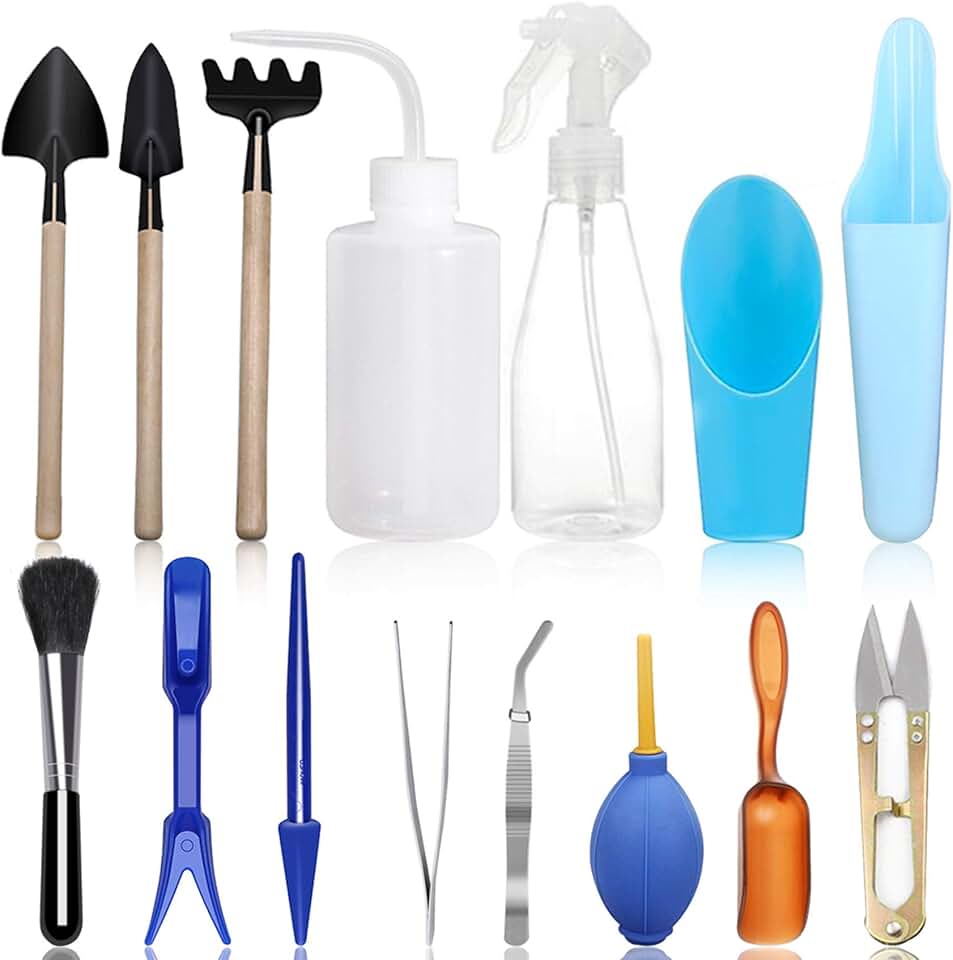
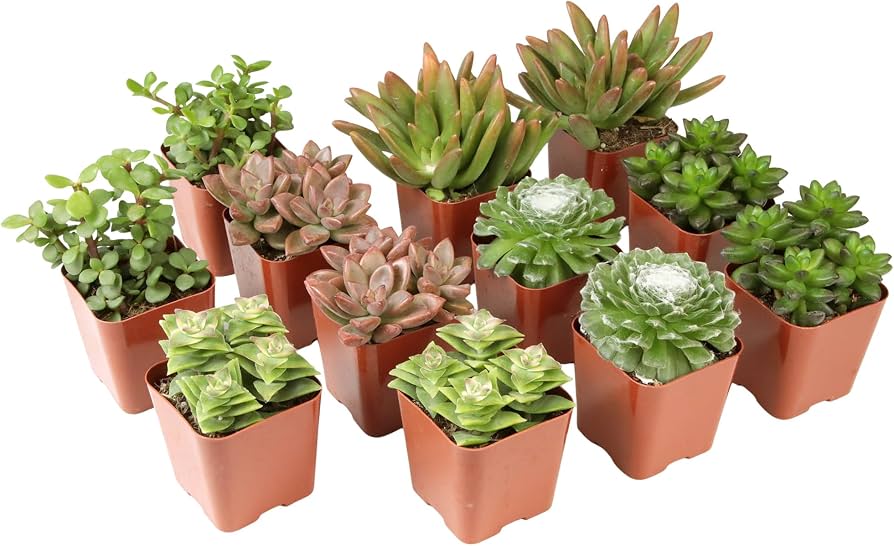
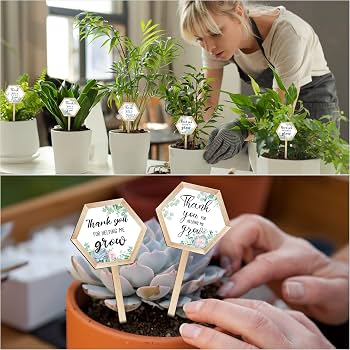
As an Amazon Associate, we may earn from qualifying purchases.
No comments yet. Be the first to share your thoughts!