

Get succulent care right
Before you start the routine, check three things: light, soil, and pot. Most indoor succulents fail because they sit in dark corners or heavy soil that stays wet too long. Fix those first, then follow the steps below.
Light Succulents need bright, indirect light. A south-facing window is ideal, but keep them back from the glass in winter to avoid cold damage. If leaves stretch or turn pale, they are reaching for light.
Soil Use a fast-draining mix. Standard potting soil holds too much water and rots roots. Mix equal parts potting soil and perlite, or buy a cactus blend. The goal is quick drainage, not dryness.
Pot Always use a pot with a drainage hole. Terracotta is best because it breathes. Plastic pots are fine if you water carefully, but never let the plant sit in a saucer of water.
Work through the steps
Keeping indoor succulents healthy comes down to three core practices: light, water, and soil. Most indoor succulent deaths result from overwatering or insufficient light, not neglect. Follow this sequence to establish a care routine that matches their natural drought tolerance.
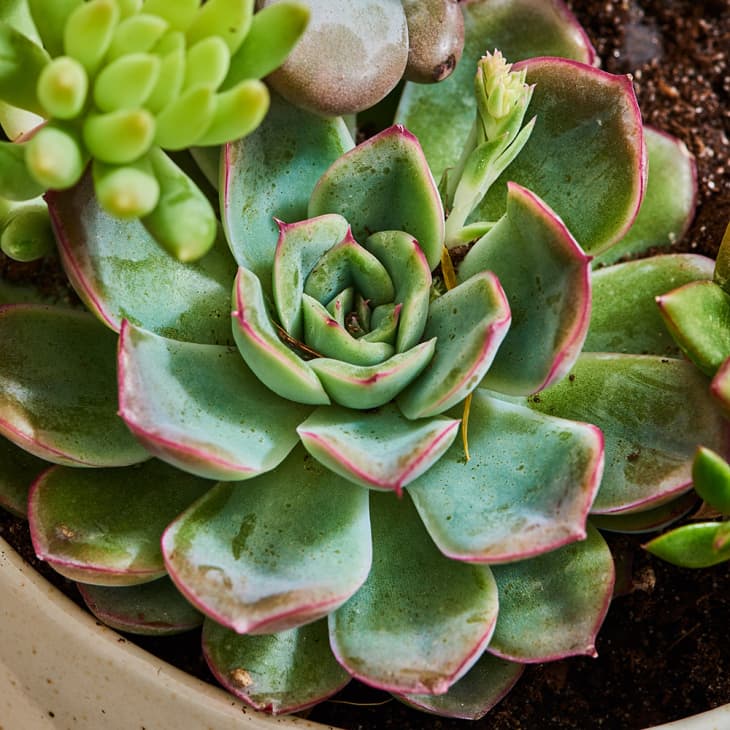
Place your plants near a south-facing window where they receive at least six hours of bright light daily. If you must place them near glass in winter, move them a few inches away to prevent cold damage. Rotate the pot a quarter turn every week so all sides grow evenly and avoid leaning toward the light source.
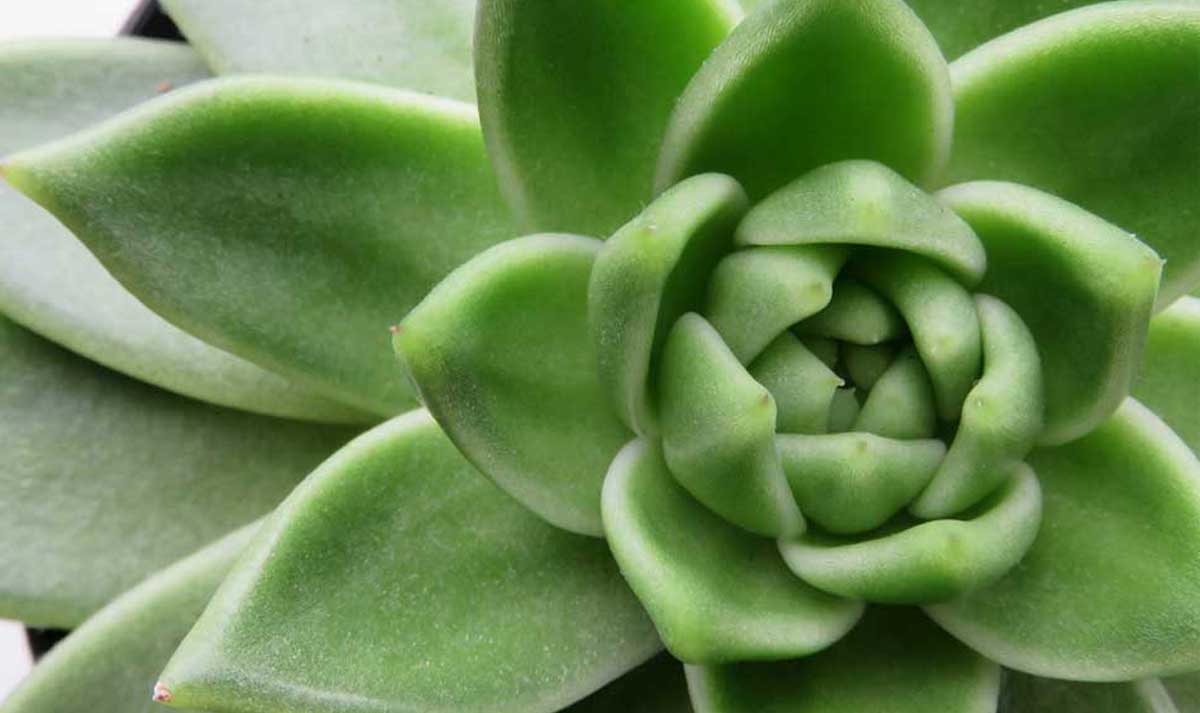
Do not water on a fixed schedule. Insert your finger or a wooden skewer into the soil up to the second knuckle. If the soil feels cool or damp, wait. Only water when the soil is completely dry to the touch. This prevents root rot, which is the primary cause of indoor succulent decline.
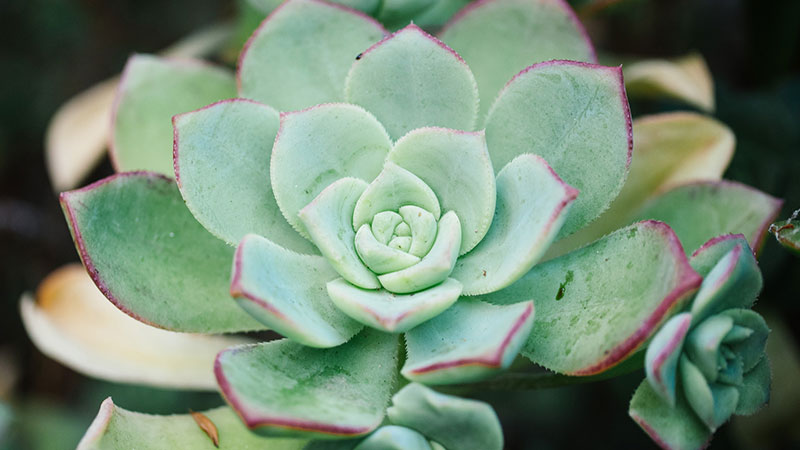
When the soil is dry, water the plant slowly until water flows freely out of the drainage holes. Discard any excess water that collects in the saucer within 15 minutes; succulents hate sitting in standing water. In winter, reduce watering frequency significantly as the plant enters a dormant phase.
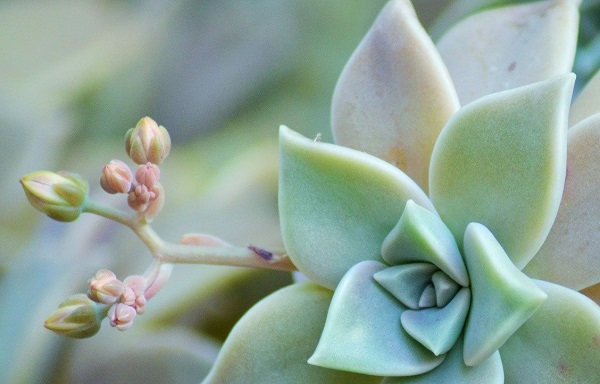
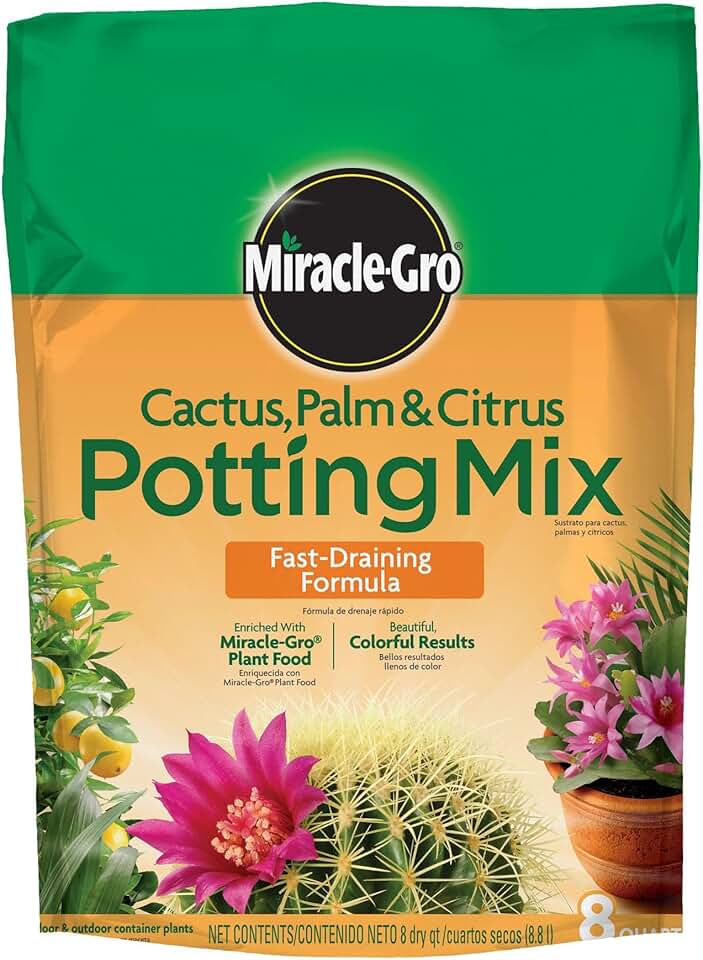
Standard potting soil holds too much moisture for succulents. Mix a cactus-specific potting mix with 50% inorganic material like perlite, pumice, or coarse sand. This blend ensures water drains immediately and air reaches the roots, mimicking the rocky environments these plants evolved in.


As an Amazon Associate, we may earn from qualifying purchases.
Fix common mistakes
Most indoor succulents die from well-meaning but incorrect care routines. The plants themselves are resilient, but the environment inside a home is often hostile to their specific needs. By identifying these common pitfalls early, you can prevent irreversible damage and keep your collection thriving.
Overwatering on a schedule
Watering on a fixed calendar—such as every Sunday—is the fastest way to rot roots. Succulents store water in their leaves and stems, making them drought-tolerant rather than water-loving. Instead of a timer, check the soil moisture by inserting your finger an inch deep or using a wooden skewer. Water only when the soil is completely dry throughout the pot. In winter, when light levels drop and growth slows, reduce watering frequency significantly to prevent root rot.
Placing plants in low light
Succulents require bright, indirect light to maintain their compact shape and vibrant color. Placing them in dark corners or dimly lit offices causes etiolation, where the plant stretches out with long, weak stems and pale leaves as it desperately searches for light. South-facing windows are ideal, but ensure the plant is not touching cold glass in winter, which can cause thermal shock. If natural light is insufficient, consider a simple LED grow light to supplement their needs.
Using heavy, moisture-retentive soil
Standard potting soil holds too much moisture for succulents, suffocating their roots and leading to fungal issues. Always use a fast-draining mix designed specifically for cacti and succulents, or create your own by mixing standard potting soil with 50% perlite or pumice. This ensures that excess water flows through the pot quickly, mimicking the arid environments these plants evolved in. Never use soil that feels dense or stays wet for more than a day after watering.
Succulent care: what to check next
Succulents are forgiving, but they have specific needs that differ from standard houseplants. Here are the answers to the most common questions about keeping indoor succulents healthy.
No comments yet. Be the first to share your thoughts!